Butter, Cold Water, and a Little Bit of Magic: What Makes a Great Pie Crust in Vancouver
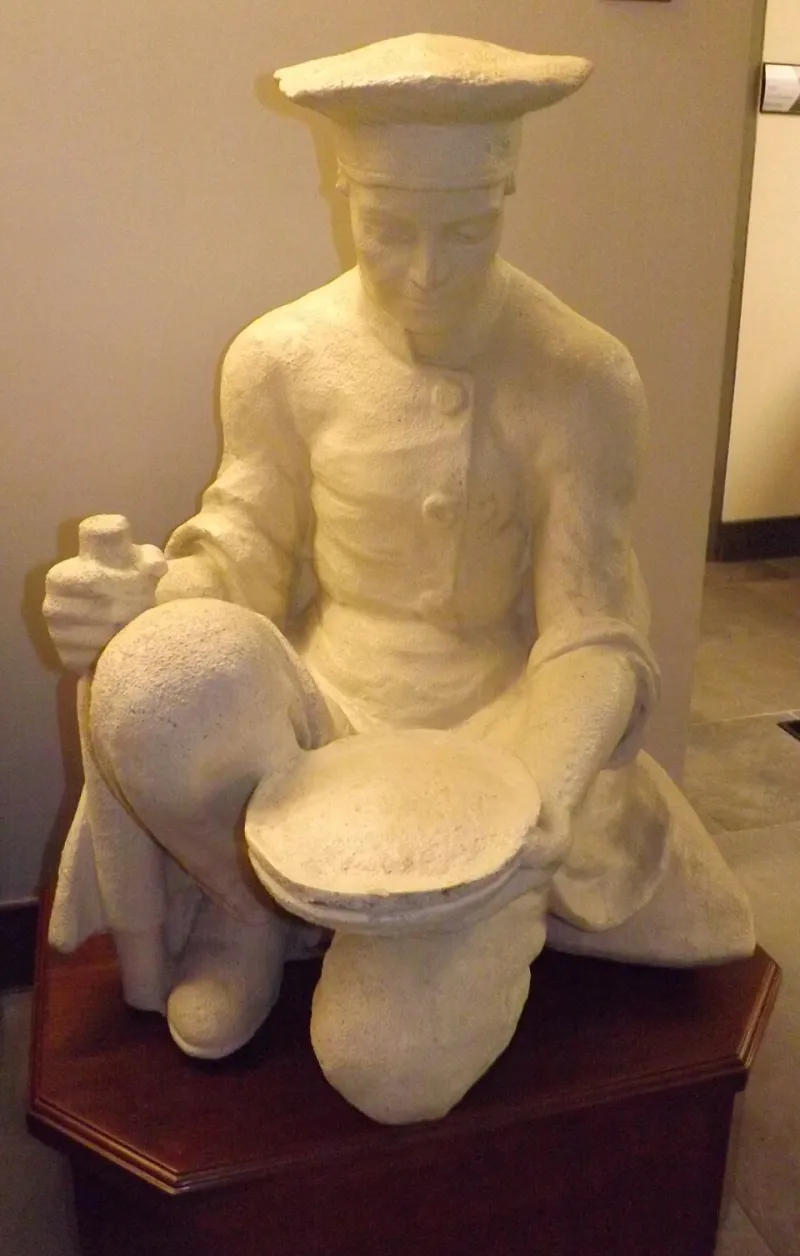
Photo: Dcj3616, CC BY-SA 4.0, via Wikimedia Commons
There's a moment — you probably know it — when you cut into a well-made pie and the crust just gives. It shatters slightly at the edge, holds its structure in the middle, and releases that unmistakable buttery smell that makes everyone at the table lean in. That moment doesn't happen by accident. It's the result of deliberate choices, hard-won knowledge, and frankly, a lot of failed crusts along the way.
Vancouver's pie scene has quietly become one of the most technically ambitious in the country. The city's bakers are obsessive about their craft in a way that would surprise anyone who thinks pie is simple comfort food. We sat down with a handful of local legends to dig into what's actually happening inside that crust — and what you can do to level up your own.
Fat Is Everything (But Which Fat?)
Ask any serious pie baker in Vancouver what the single most important ingredient is, and the answer comes back almost unanimously: fat, and specifically, the type of fat.
Butter is the crowd favourite for flavour, but it's more complex than just grabbing a block from the dairy aisle. "The water content in your butter matters enormously," explains one East Van baker who's been making pies for over a decade. "European-style butter with higher fat content — we're talking 82 to 84 percent — creates better lamination because there's less steam interference when it hits the oven."
Lamination is the process of creating distinct layers in a dough by keeping fat in cold, solid pieces throughout the mixing and rolling process. When those fat pockets hit the heat of the oven, they release steam and push the layers apart — that's your flakiness, right there. It's the same principle behind croissants and puff pastry, just applied to a more humble medium.
Some bakers swear by a blend: two-thirds butter for flavour, one-third lard or vegetable shortening for structure and that melt-in-your-mouth quality. "Lard gets a bad reputation," says a baker from a small Kitsilano shop who asked to remain anonymous ("because my vegetarian customers would never forgive me"). "But it has a higher melting point than butter, which means it stays solid longer during mixing. You get these incredible layers that butter alone just can't replicate."
The Cold Truth About Temperature
If fat is the soul of a great crust, temperature is the discipline that keeps it in line. Every baker we spoke to mentioned cold — cold butter, cold water, cold hands, cold bowls, cold everything.
The reason is simple: warmth is the enemy of lamination. If your butter starts to melt and blend into the flour before the dough hits the oven, you lose those distinct fat pockets. Instead of flaky layers, you get a mealy, dense crust that nobody's leaning in for.
"I keep my butter in the freezer and grate it directly into the flour," says one South Granville baker. "It sounds fussy, but it takes thirty seconds and it completely changes the texture. You get these tiny, even pieces of fat distributed throughout — it's much more consistent than trying to cut in cold cubes."
Water temperature is equally critical. Ice water — and she means actual ice in the water — slows gluten development and keeps the fat solid. Add it gradually, a tablespoon at a time, and stop the moment the dough holds together when you pinch it. Over-hydrated dough is tough dough.
Hydration Ratios: The Number Nobody Talks About Enough
Hydration is one of those topics that gets a lot of attention in bread baking but gets glossed over in pie-making conversations. That's a mistake.
The ratio of water to flour in a standard pie dough typically lands somewhere between 15 and 25 percent, depending on the flour you're using, the humidity in your kitchen, and what you're filling the pie with. A wet filling — think a fruit pie with fresh summer berries — calls for a slightly sturdier crust that can handle the moisture without going soggy. A drier filling, like a nut pie or a custard that's been pre-baked, gives you more flexibility.
"Vancouver's climate actually works against us here," notes one Commercial Drive baker. "We're a humid city. On a rainy November day, your flour is already absorbing moisture from the air, so you need less water in the dough than you would in, say, Calgary in January. Home bakers who follow recipes exactly without accounting for this end up with sticky, overworked dough."
The fix? Start with less water than the recipe calls for and add more only if needed. Your dough should look shaggy and barely-together before it goes into the fridge to rest. It'll hydrate fully during that rest period.
Rest, Roll, Repeat
Resting the dough is non-negotiable, and yet it's the step most home bakers skip. After mixing, the gluten strands in the flour are tight and elastic — try to roll the dough out now and it'll spring back at you like it's personally offended.
A minimum of one hour in the fridge (wrapped tightly in plastic wrap or beeswax wrap if you're going that route) allows the gluten to relax and the fat to re-solidify after the warmth of your hands. Many of Vancouver's best bakers rest their dough overnight. "The flavour is genuinely better," says one baker from a North Shore pie shop. "The flour has more time to hydrate evenly, and something happens to the butter that I can't fully explain scientifically but you can absolutely taste."
When you do roll, work quickly, use a cold surface if possible (marble is ideal, but a chilled cutting board works), and rotate the dough rather than flipping it. Flip only when necessary, and always use enough flour to prevent sticking — but not so much that you're drying the dough out.
What Home Bakers Get Wrong
We asked every baker we interviewed to name the single most common mistake they see, and the answers were remarkably consistent.
Overworking the dough. Full stop. "People are afraid of underworking it, so they keep going until it looks smooth and cohesive," says one Strathcona baker. "But smooth and cohesive means you've developed too much gluten and melted the fat. Stop when it looks rough and barely holding together."
The second most common mistake? Skipping the blind bake for custard and cream pies. If your filling is liquid or semi-liquid, you need to pre-bake your crust (weighted down with pie weights or dried beans) before adding the filling. Otherwise, the bottom crust steams rather than bakes, and you end up with what bakers affectionately call a "soggy bottom."
The Local Advantage
One thing that came up repeatedly in our conversations was the quality of local ingredients available to Vancouver bakers. Locally milled flours from BC producers offer a freshness and flavour profile that commercial all-purpose flour can't match. Several bakers mentioned sourcing their butter from smaller BC dairies, where the higher fat content and fresher product make a noticeable difference in the final crust.
"We're lucky to live here," says one baker simply. "The ingredients we have access to — the dairy, the grain, the fruit for fillings — it makes the job easier and the pie better. I don't take that for granted."
Neither should we. Next time you bite into a great Vancouver pie, take a second to appreciate the physics, the chemistry, and the stubborn dedication that got that crust to your fork. It's more than comfort food. It's craft.