Good Crust, Good Cause: How Vancouver Bakeries Are Turning Leftover Pies Into a Lifeline
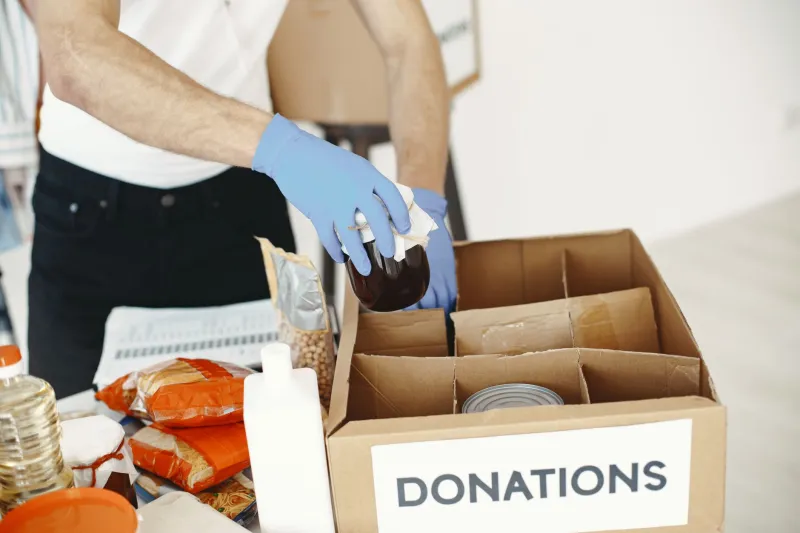
Most people don't think about what happens to a pie after the lights go out at a bakery. The display case gets cleared, the staff heads home, and whatever didn't sell... disappears. For a long time, that disappearing act meant a bin bag and a landfill somewhere on the edge of the city. But walk into a handful of Vancouver's independent pie shops today, and you'll find a different story unfolding — one that's equal parts practical and quietly profound.
Vancouver has a food insecurity problem that doesn't get talked about enough. According to Food Banks Canada's most recent HungerCount report, BC continues to see record-high food bank usage, with Metro Vancouver accounting for a significant share of provincial visits. At the same time, the city's bakery scene produces an enormous volume of perfectly good food that, without intervention, never reaches a single hungry person. A few bakery owners decided they weren't comfortable with that math anymore.
The Moment It Clicked
For Della Martens, who runs a small pie-focused bakery out of East Vancouver, the turning point came on a Tuesday evening in late 2022. She was boxing up four whole pies — two butter chicken, one apple crumble, one mushroom and leek — destined for the compost. A neighbour who ran a community meal program happened to be walking by.
"She literally knocked on the glass," Della says. "She'd seen me do it before and finally just asked if she could take them. I felt embarrassed that I hadn't thought to offer sooner."
What started as an informal handoff became a weekly arrangement, then a structured donation program. Della now coordinates with two local food banks and a community fridge collective, logging each donation and adjusting her bake schedule to reduce waste without compromising her daily selection.
She's not alone. Across neighbourhoods from Strathcona to Kitsilano to Commercial Drive, a loose network of pie makers and pastry-forward bakeries has been quietly building similar pipelines — some formal, some still running on a handshake and a shared phone number.
How These Programs Actually Work
The logistics vary from shop to shop, but the core model is straightforward. At the end of each business day — or sometimes mid-afternoon, when bakers can already predict what won't move — unsold pies are boxed, labelled with contents and allergens, and either picked up by a partner organisation or dropped off by a staff member on their way home.
Food banks and meal programs have specific intake requirements, and navigating those can be the trickiest part for small bakery operators. Temperature control, packaging standards, and documentation around ingredients all need to meet health authority guidelines. Several bakeries have worked directly with organisations like the Greater Vancouver Food Bank and local chapters of the Salvation Army to understand exactly what's required.
"It's not complicated once you know the rules," says one bakery coordinator who preferred not to be named. "But the first time, it feels like a lot. Having someone at the food bank walk you through it made all the difference."
Some bakeries have gone further, partnering with apps like Too Good To Go or Flash Food to sell surplus items at a steep discount before the day ends — reducing waste while still generating a small return. Others have created "pay it forward" pie programs, where customers can purchase a voucher that gets redeemed by someone in need through a partner social service organisation.
What Recipients Actually Say
It's easy to frame this kind of initiative through the lens of the bakeries doing it. But the more interesting perspective might belong to the people on the other end.
One woman who accesses a meal program in the Downtown Eastside described receiving a slice of tourtière on a cold December evening. "I hadn't had something like that in years," she said. "It tasted like something someone actually made. Not a package. It was warm and it was real."
That distinction — between food that feels institutional and food that feels human — comes up repeatedly when talking to food bank coordinators. Freshly baked pies carry something that a tin of beans, however nutritious, simply doesn't. They signal care. They signal that someone thought about flavour, about texture, about the experience of eating.
"There's a dignity to it," says a coordinator at a Hastings Street drop-in centre. "People light up. It's not just calories. It's something that makes them feel like they matter."
The Business Case Isn't Nothing
Let's be honest: not every bakery owner is driven purely by altruism. And that's fine. The business case for waste reduction programs is real. Food that gets donated rather than composted often qualifies for a charitable tax receipt, which adds up over the course of a year. Reducing end-of-day waste also forces tighter bake planning, which can meaningfully cut ingredient costs over time.
There's also a reputational dimension. Customers increasingly want to support businesses that operate with intention. A bakery that's visibly connected to its community — that has a sign on the counter explaining its donation program, or that posts about it on social media without being preachy about it — tends to build a loyal following that goes beyond just liking the pie.
"People come back because they trust you," Della says. "And part of trust is knowing you're not just here to take their money."
How You Can Help (Or Start Something Yourself)
If you want to support this kind of work, the most direct route is simple: buy your pie from bakeries that are doing it, and tell them you noticed. Ask your favourite local shop if they have a donation program. If they don't, mention that you'd love to see one — and point them toward resources like the Greater Vancouver Food Bank's business partnership page or Too Good To Go's vendor sign-up.
If you're a community organiser, a school parent council, or someone who runs a neighbourhood little free pantry, consider reaching out directly to a local bakery to propose a pickup arrangement. You might be surprised how quickly a baker says yes when someone just asks.
And if you work in a bakery yourself and want to start something? The barrier is lower than you think. Begin with one food bank. One pickup a week. One clear policy about what gets set aside and when. The infrastructure builds itself once you start.
A City That Deserves Better Than Wasted Pie
Vancouver is an expensive, complicated, sometimes exhausting place to live. Food insecurity here doesn't look the way it does in smaller cities — it's often invisible, tucked behind the cost of rent and the pressure of keeping up. The people who need a warm meal aren't always easy to see.
But the pies are right there. They're sitting in a display case at four in the afternoon, still good, still warm, still capable of making someone's evening a little more bearable. The fact that a growing number of Vancouver bakers are refusing to let them go to waste is, in the grand scheme of things, a small act. But small acts have a way of adding up.
Next time you're in your favourite pie shop, take a look around. There might be a little sign by the till, or a stack of boxes near the back. If there is, you'll know what it means.


