Dough, Rent, and Reality: The Business of Running a Pie Shop in Vancouver
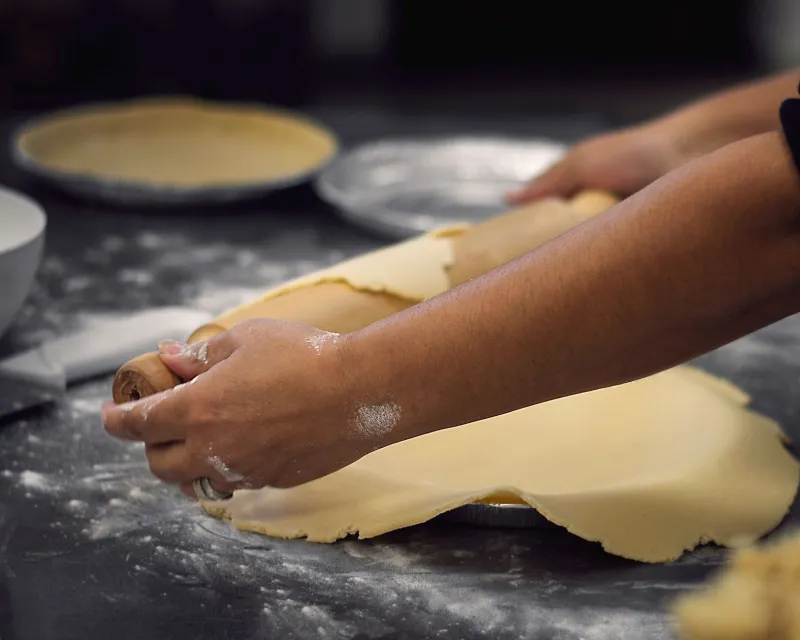
There's a moment, somewhere between pulling a perfect blueberry pie from the oven and staring down a commercial lease renewal, when the romance of running a bakery gets real fast. Vancouver's independent pie shops have become a beloved part of the city's food identity — but behind the flaky crusts and handwritten chalkboard menus, owners are navigating a business environment that doesn't make things easy.
We spent time talking to several local bakers about what it actually costs to keep the lights on, the ovens hot, and the prices reasonable. What we heard was honest, a little sobering, and ultimately pretty inspiring.
The Rent Problem Nobody Talks About Loudly Enough
Vancouver's commercial real estate market is, to put it diplomatically, brutal. Neighbourhoods that once offered affordable retail space for small food businesses have watched rents climb steadily over the past decade. For a pie shop that needs a commercial kitchen, front-of-house space, and ideally a location with foot traffic, the monthly overhead can be staggering before a single tart is sold.
One East Vancouver baker — who asked to remain unnamed because she's currently mid-lease negotiation — told us her rent has increased nearly 40 percent over five years. "I've had to restructure everything," she said. "Smaller batch sizes, fewer SKUs, more pre-orders. You adapt or you close."
Other owners have gotten creative with their square footage. Some share commercial kitchen space with other small food producers, splitting costs during off-peak hours. A few have moved to a pre-order-only or market-focused model, eliminating the need for a permanent retail storefront altogether. It's not the dreamy pie shop aesthetic you see on Instagram, but it's what keeps the business breathing.
The Real Cost of That $8 Slice
Customers sometimes do a double-take at pie prices — and honestly, it's worth explaining why a single slice can cost as much as a fast-food combo meal. The short answer: good ingredients are expensive, and labour is the biggest cost of all.
Butterwork pastry takes time. Sourcing quality BC fruit, locally raised meat for pot pies, or organic dairy for custard fillings costs significantly more than bulk commodity ingredients. Factor in packaging, commercial kitchen insurance, health permits, equipment maintenance, and staff wages — ideally living wages — and the math gets tight very quickly.
"People see an $8 slice and think we're making bank," said one Kitsilano baker who's been running her shop for six years. "After food costs, labour, and overhead, my margin on that slice is maybe a dollar and a half on a good day. Some days it's less."
For context, food industry margins are notoriously thin across the board — but artisan baking, with its labour-intensive processes and premium ingredient standards, sits at the lower end of that spectrum. The bakeries that survive tend to be the ones that have figured out which products carry better margins (wholesale accounts, frozen pies, and catering often outperform single-slice retail) and lean into those channels strategically.
Competing Without a Corporate Budget
Chain bakeries and grocery store pie sections have one enormous advantage over independent shops: buying power. When you're ordering flour, butter, and sugar by the pallet, your cost per unit drops dramatically. A small neighbourhood bakery buying the same ingredients in quantities that fit a walk-in fridge simply can't compete on price alone.
What they can compete on is everything else: flavour, personality, flexibility, and community connection. Several owners we spoke with said their most loyal customers aren't shopping on price — they're shopping on trust. They know the baker's name. They've seen where the apples come from. They've watched the shop evolve through hard years and good ones.
"We'll never beat a grocery store on a $6 pie," admitted one Commercial Drive shop owner. "But that's not what we're selling. We're selling something that tastes like someone actually cared about making it. That's a different product entirely."
Some independent bakers have also found quiet strength in collaboration rather than competition. Informal networks among Vancouver's small food producers — sharing supplier contacts, covering each other's wholesale accounts during vacations, cross-promoting on social media — have helped several shops weather difficult stretches that might otherwise have ended them.
Supply Chain Surprises
The past few years have been a masterclass in supply chain unpredictability for small food businesses. Butter prices spiked. Certain fruit crops underperformed. Packaging costs jumped. For a large chain, these fluctuations are absorbed across hundreds of locations and enormous purchasing contracts. For a two-person pie shop in Mount Pleasant, they can mean a menu overhaul mid-season.
"I had to pull our classic peach pie for most of last summer because the price I was being quoted made the margins completely unworkable," said one baker. "It was heartbreaking. But I'd rather take something off the menu than quietly shrink the portion or swap in cheaper fruit and hope nobody notices."
That kind of transparency is something customers rarely see — but it's happening in bakery back offices across the city on a regular basis.
What You Can Actually Do to Help
If you love Vancouver's independent pie shops — and we're going to assume you do, given that you're here — there are a few genuinely useful things you can do beyond just showing up.
Pre-order when you can. It helps bakers plan production, reduces waste, and smooths out the unpredictable daily sales curve that makes cashflow management so stressful.
Buy a whole pie. The per-unit economics on a full pie are almost always better for the baker than individual slices, which require more labour-intensive plating and packaging.
Follow and share on social. It costs you nothing and genuinely helps small shops reach new customers without spending money on advertising they can't afford.
Don't haggle on price. This one should go without saying, but bakers have stories. The price on the board reflects real costs. Honouring it is a form of respect.
Show up on slow days. Tuesdays exist. Rainy November afternoons exist. Those are the days that matter most to a small business's survival, not just the sunny Saturday rush.
Still Worth It
For all the financial pressure, nearly every baker we spoke with said the same thing when we asked if they'd do it again: yes, without hesitation. Running a pie shop in Vancouver is hard, expensive, and occasionally maddening. It's also, apparently, deeply worth it.
"When someone comes in and tells me that our tourtière was on the table at their family Christmas for the third year in a row, I'm not thinking about the lease," said one East Side baker. "I'm thinking about how lucky I am to make something that matters to people."
That's the economy underneath the economy. And it's what keeps Vancouver's pie scene one of the most genuine, resilient, and quietly remarkable food communities in the country.