Butter Down the Family Tree: Three Generations at the Same Rolling Pin
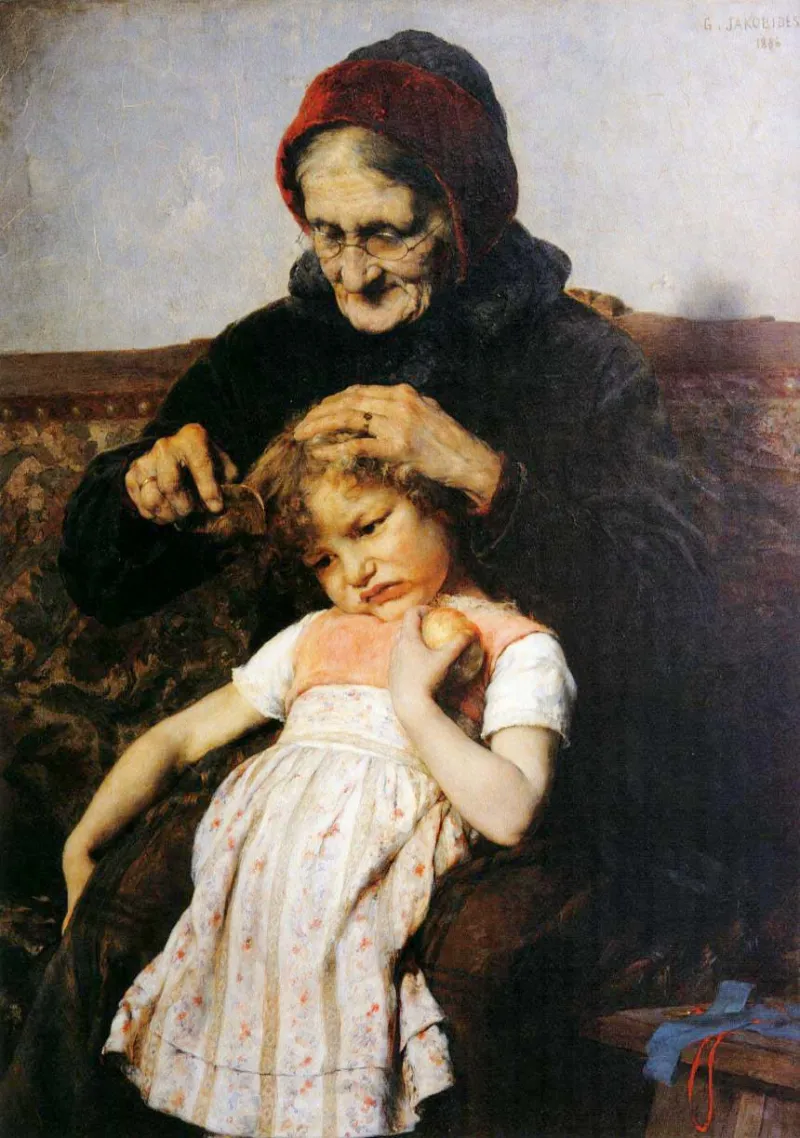
Photo: Georgios Jakobides, Public domain, via Wikimedia Commons
Every family recipe survives a few edits. A pinch more salt here, a shortcut there. But when that recipe becomes the backbone of a business — when it's baked two hundred times a week and sold to strangers with opinions — the edits get harder to make. Ask any multigenerational pie family in this city: the recipe isn't just a recipe. It's a relative.
We spent time with three Vancouver-area families who've been rolling crusts across three generations, and what we found wasn't a museum. It was a negotiation, ongoing and occasionally loud, between the hands that learned the old way and the ones determined to do it differently.
The Crust That Doesn't Move
Across all three families, one rule held absolute: nobody touches the crust. Not the grandkids, not the new hires, not the trendy cookbook that suggested vodka in the dough.
"My grandmother's crust is lard, cold water, salt, flour, and stubbornness," says one second-generation baker now running the family's East Van counter with her own daughter. "My daughter wanted to try butter-only. I said fine — butter-only on your pies. Grandma's crust stays on mine."
The daughter, to her credit, did exactly that. Her butter-rich crust, fruit-forward fillings, and smaller portion sizes now sit beside her mother's classics in the same case, and customers split neatly into two camps. "Some people order Grandma's and some order mine," she says. "Mom pretends it bothers her. It doesn't."
What the Third Generation Changed
The youngest bakers we spoke to didn't rebel so much as translate. One grandson, third-generation at a family shop with roots in a different continent's baking tradition, spent two years convincing his father to try seasonal, locally sourced fillings instead of the canned fruit that had been standard since the seventies.
"Dad's argument was, 'It worked for forty years.' My argument was, 'It worked because nobody had tasted a fresh BC peach pie yet.'" The fresh-fruit experiment now outsells the old lineup three to one in summer — though the canned cherry, his father notes with satisfaction, still has its loyalists.
Another third-generation baker took a different tack: she changed nothing about the recipes and everything about the business. Online pre-orders, a proper Instagram presence, a subscription pie club. "The recipe is the product," she says. "My job is just getting it into more hands. Grandma didn't have a delivery app. She had a church basement. Same job, different tools."
The Arguments Worth Having
Not every generational handoff is smooth. We heard about a years-long standoff over sugar — the elder insisting the family's apple pie needed its full sweetness, the younger quietly reducing it batch by batch until customers stopped asking for "the sweeter one." We heard about a filling-thickening feud, a lattice-versus-crumble schism, and one grandmother who reportedly didn't speak to her son for a week after he experimented with a salted-caramel apple variant.
But here's the thing every family mentioned: the arguments are the point. A recipe that nobody cares enough to fight about is a recipe that's already dead.
What Stays Sacred
Ask the eldest generation what can never change and the answers are surprisingly consistent — and rarely about ingredients. It's the way the dough rests overnight. It's trimming the vents by hand instead of a cutter. It's the rule that somebody always tastes the filling warm before it goes in the case.
"The recipe will change," one grandfather told us, waving off his granddaughter's latest experiment. "That's how it survived. The pie — the thing you do for people, the reason they come in — that doesn't change."
Then he slid a slice across the counter to her, tasted her new version himself, and allowed — grudgingly — that it wasn't bad.
High praise, in family baking. Maybe the highest there is.